Five Winter Auction Buys for the Bo’ness Hill — and the Checks That Matter
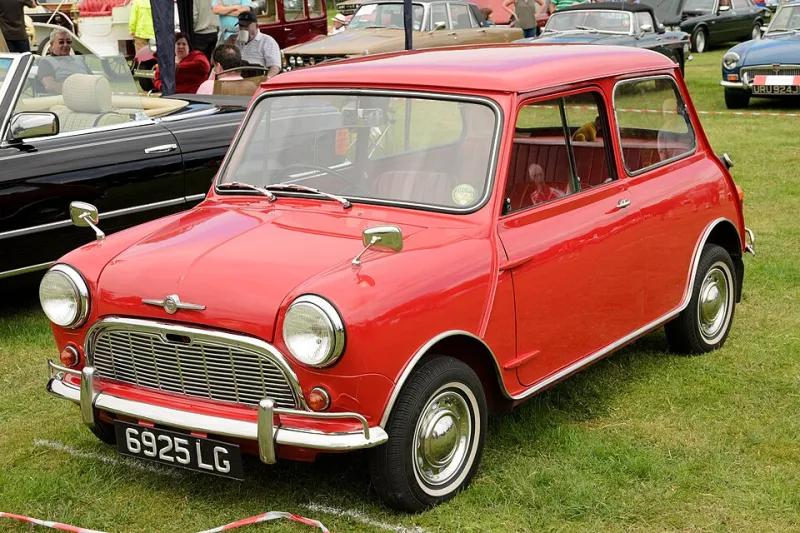
Photo: SG2012, CC BY 2.0, via Wikimedia Commons
As the 2026 season closes, the off-season bargain hunt begins. Auction halls fill up, classifieds get optimistic and every slightly tired hot hatch is suddenly described as ‘ideal for hillclimbing’. Some of them are. Plenty are not. The trick is to buy for the Bo’ness hill rather than for the auction hype.
Buy for the hill, not the auction hype
Bo’ness rewards a car that starts, stops, steers and keeps its cool. It does not demand a fragile thoroughbred. In fact, a modest saloon or a simple sports car is often more fun up the hill than something exotic that needs a specialist just to look at it. The ideal winter buy is cheap enough to use, common enough to fix and sound enough to pass scrutineering without a second mortgage.
Budget for more than the car. You will need safety gear, tyres, entry fees, fuel, transport and the inevitable first-season repairs. A £4,000 car with a £3,000 safety and sorting bill is not a bargain if it keeps you off the entry list. Buy the best shell you can afford, then spend on brakes, cooling and tyres before you spend on power.
1. Classic Mini
Why it works: the Mini is nimble, parts are everywhere and there is a well-established club scene. At Bo’ness its short wheelbase and eager steering can make it feel much quicker than the numbers suggest. It also fits neatly into historic and club classes, depending on spec.
What to check: rust in the sills, floors, A-panels, boot floor and rear subframe mounts. Check the engine and gearbox for noises, and look carefully at any modified car’s paperwork. A standard 998 or 1275 with a fresh cooling system is more appealing than a heavily tuned engine with no history. Avoid show cars with hidden rot and ‘race ready’ cars with no safety equipment.
Running costs: sensible if you buy a sound shell. Engines are simple, consumables are cheap and almost every problem has been solved before on a forum or in a club magazine.
2. MG Midget or Austin-Healey Sprite
Why it works: rear-wheel drive, simple mechanicals and a lovely size for tight hillclimb courses. The Midget and Sprite are old enough to feel historic, cheap enough to use and well supported by specialists. They suit the Bo’ness rhythm: light, pointy and happy to be worked hard.
What to check: rust in the sills, spring hangers, rear arches and floors. Check kingpins, rear springs, brakes and the condition of the gearbox. A 1275 car is generally the pick for hillclimb use, but a well-sorted 1098 can be enormous fun. Avoid anything with fresh underseal hiding old repairs.
Running costs: low to moderate. Parts are available, though bodywork can become expensive if you start chasing rot. Buy the best body you can find and treat the mechanicals as service items.
3. Peugeot 205
Why it works: the 205 is a club motorsport favourite for good reason. It is light, simple and has a chassis that flatters a brave driver. A GTI is the obvious choice, but a tidy XS or similar model can be just as entertaining and considerably cheaper. Parts and knowledge are plentiful.
What to check: rear beam wear, rust in the sills, floors, boot and around the windscreen, plus tired electrics. Check the gearbox for whines and the engine for overheating. Modified cars need a close look at the roll bar, seats, belts and cut-off switch. A standard car with good compression is a better starting point than a cheap ‘track car’ with a mystery history.
Running costs: reasonable, but genuine GTI prices are firming up. Do not pay thoroughbred money for a scruffy hatchback just because it has the right badge.
4. Volkswagen Golf Mk2 8v
Why it works: the Mk2 Golf is robust, torquey and easy to live with. It is not the most glamorous choice, but that is part of the appeal. A healthy 8v engine pulls well from low revs, the gearbox is strong and the car is stable over Bo’ness’s less-than-perfect surfaces. It is a proper clubman’s machine.
What to check: rust in the sills, floors, rear arches and around the windscreen. Check the gearbox for crunching, the brakes for seized calipers and the cooling system for neglected hoses. Modified cars are common, so insist on receipts and a clear description of what has been changed.
Running costs: low. Parts are cheap, specialists are plentiful and a standard car is unlikely to spring nasty surprises. It will not turn heads in the paddock, but it might surprise a few people on the hill.
5. Mazda MX-5 Mk1
Why it works: the original MX-5 is reliable, balanced and cheap to run. It is not a historic car in the strictest sense, but it is a club-level machine with huge support and a natural affinity for hillclimbs. The steering, gearbox and brakes all feel made for this kind of sport.
What to check: rust in the sills, rear arches and front chassis rails. Check the differential, suspension bushes and cooling system. Early cars with tired suspension can still be made to work, but a rusty shell is a money pit. Avoid heavily modified turbo cars unless you know the builder and the paperwork.
Running costs: low to moderate. Consumables are cheap, the cars are tough and there is no shortage of advice. A good one is probably the easiest route into regular hillclimb weekends.
What to avoid
Be wary of fragile exotica with unobtainable parts, ‘project’ cars with no history and anything described as ‘race ready’ without a folder of receipts. Big power is less useful than good brakes, good tyres and a chassis that does not scare you. A cheap car with a bent shell is not a bargain. Neither is a beautifully painted car with a tired engine and no safety equipment.
The bidder’s checklist
Before you bid, ask for the cold-start video, photos of the known rust spots and a clear list of modifications. Check the V5, the chassis number and any motorsport paperwork. If you can inspect in person, do it. Look underneath, press the brakes, listen for noises and check that the car actually fits you and your trailer.
Set a budget before the auction starts and leave room for the bits you cannot see. The best winter buy is not the cheapest car in the hall. It is the one that gets you to Bo’ness next season with a spanner in the boot, a grin on your face and a reasonable chance of driving home again.