Before the Flag Drops: Why the Bo'ness Paddock Rewards the Patient
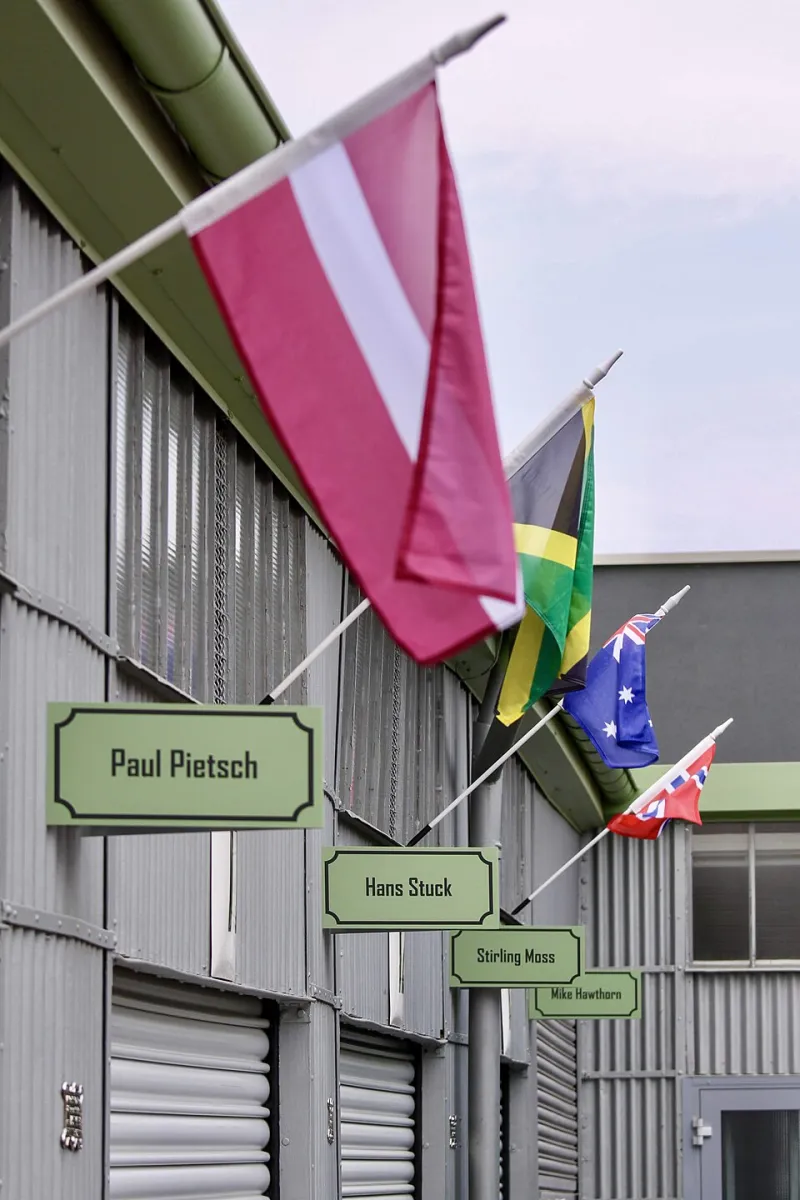
Photo: Cannoneer Photography / https://cannoneer.de Offizielle Webseite von Cannoneer Photography, CC BY-SA 4.0, via Wikimedia Commons
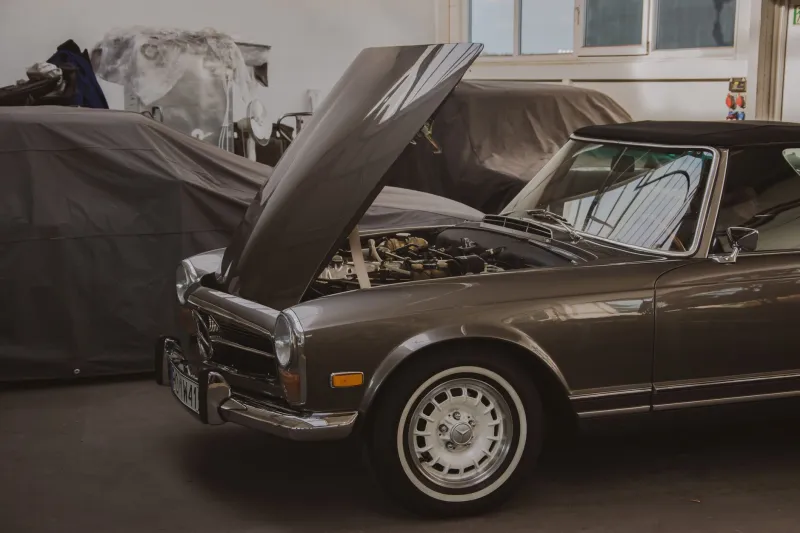
There is a particular moment at Bo'ness, somewhere between the gates opening and the first engine catching, that I would happily pay the entry fee for on its own. The air is cold, the grass is wet, and across the paddock you can hear a bonnet being propped open with the practised gentleness of someone who has done it ten thousand times.
Most spectators miss it. They arrive at half nine, find a spot on the bank, and wait for the noise. And look — the noise is magnificent. But they've skipped the good bit.
An Argument, Briefly Stated
A hillclimb is a timed sport, so we talk about it as though the times are the point. They aren't. The times are the excuse that gets everybody into the same field.
What actually makes a historic hillclimb worth travelling for is the accumulated knowledge standing around in that field: the bloke who has owned the same Riley since 1974, the daughter who learned to bleed brakes on it before she could reach the pedals, the mechanic who knows exactly which carburettor setting the car wants on a damp morning in November. You cannot get that from a results sheet. You can only get it by standing still and listening.
The Handshake Economy
Paddock culture runs on a currency that has nothing to do with money. It runs on favours, loaned tools and remembered details.
Somebody's magneto has died. Within four minutes, three people have offered a spare, one has offered a tow, and a fourth has produced a flask. Nobody fills in a form. Nobody invoices anybody. The debt is logged mentally and will be repaid, possibly years later, probably at a different hill, in a different county.
This is not sentimentality — it's insurance. When you campaign a car that was obsolete before your parents were born, the only spares network that matters is the one made of people. Every handshake in that paddock is a part of it.
What's Actually in the Trailer
Look closely at a paddock and you'll see a second, hidden history. The toolbox that's older than the car. The tin of grease with a brand name that vanished in the seventies. The hand-written notes taped inside the lid — timing figures, torque settings, a phone number for a man in Fife who can re-metal a bearing.
Then there are the programmes. Someone always has one. Original Bo'ness programmes from the hill's first era turn up regularly, usually in a polythene sleeve, and the owner will happily spend twenty minutes showing you which page lists his father's entry.
That's heritage, and it's just sitting there on a folding table next to a kettle.
The Mechanics Are the Headline Act
We fetishise drivers in this sport. Wrongly, in my view. Watch a paddock on a cold morning and you'll see who the real athletes are: the person on their knees with a torch in their teeth, timing a carburettor balance by ear, coaxing an eighty-year-old engine into a state where it will accept full throttle for forty seconds without complaint.
They are also, almost without exception, the most generous people at the venue. Ask a sensible question and you'll get a proper answer. Ask a stupid one and you'll get a patient answer anyway.
How to Watch a Paddock Properly
A few practical thoughts for anyone who fancies doing more than walking through with a camera phone.
Get there early. The hour before the first run is when the real work happens. Coffee in hand, wander slowly.
Ask about the car, not the price. Owners will talk happily about ignition timing for half an hour. Ask what it's worth and the conversation dies on the spot.
Read the body language. If someone is under the car with a spanner, wait. If they're leaning on the wing with a mug, they're free.
Never touch without asking. Polished paint and oily hands are a bad combination, and the answer will almost always be yes if you ask first.
Bring children. Paddocks are the most effective engineering recruitment tool this country has. A kid who has just been allowed to sit in a 1930s sports car will remember it for fifty years.
Buy a programme, keep a pen. Write down names, cars and the stories attached to them. You'll be amazed how often you come back to those notes.
The Long Game
The hill itself hasn't changed much. The estate is the same, the climb is the same, and somewhere under the tarmac are the ghosts of every driver who has ever had a go at it since the mid-thirties.
What keeps the whole thing alive is the social fabric wrapped around it — the families, the clubs, the shared spares and the inherited knowledge. That's the actual asset. The cars are magnificent, but they're the visible part of something much larger and much more fragile.
So by all means, find your spot on the bank and enjoy the timed runs. They're worth the trip on their own. But give the paddock an hour first. That's where Bo'ness really happens, and it costs you nothing but a bit of patience and a willingness to say hello.