Seven Shifts and a Steep Finish: Reading the Bo'ness Hillclimb Course
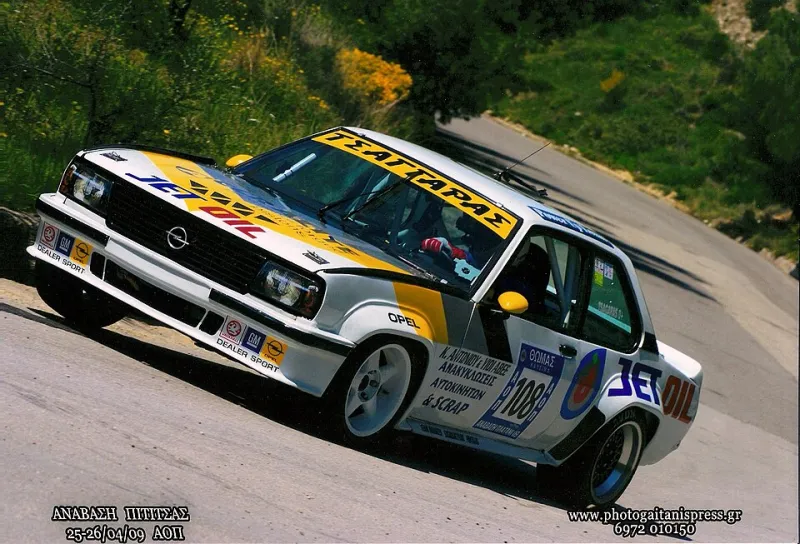
Photo: TSAGARAS, CC BY-SA 3.0, via Wikimedia Commons
Ask a regular about Bo'ness Hillclimb and you will usually get a story before you get a lap description. There is the noise of a cold engine catching, the smell of hot brakes in the paddock, the sight of a tiny pre-war car leaning into a climb that looks steeper from the spectator bank than it does from the driver's seat. The original Bo'ness meetings carved a place in Scottish motorsport from the 1930s onwards, and the modern Revival has kept that flame alive. But strip away the nostalgia and you find a proper course: short, demanding and full of small decisions that add up to a lap time.
The course through Kinneil Estate is often described as a sprint, but it is better understood as seven shifts in rhythm. The corners do not need official names to matter. What matters is what each section asks of the car, the driver and the person standing behind the rope with a camera. Here is how the seven defining sections play out, and why they make Bo'ness a bucket-list fixture in 2026.
1. The Paddock Exit: A Launch on Cold Tyres
Every hillclimb begins before the first corner. At Bo'ness, the run from the paddock to the start line is a reminder that historic cars are working machines, not ornaments. Cold tyres, a cold engine and a clutch that has to be fed in gently are part of the theatre. Spectators who arrive early get the best view of this: the fussing, the warming, the last-minute check of a belt or a bonnet pin. For newcomers, it is the moment to listen. A healthy engine sounds sharp; a tired one tells you before the first corner.
2. The First Rise: Where Gravity Starts the Argument
The first proper climb is where the course begins to bare its teeth. The gradient loads the rear tyres, the surface changes shade under the trees, and the engine note hardens. Classic saloons squat and scramble; small-capacity specials buzz like angry insects. For the driver, this is about being patient with the throttle. For the spectator, it is one of the best places to watch suspension work and hear a car under load. It is also a useful spot for classic-car fans: you can see which cars are set up softly and which are stiff enough to skip over the patches.
3. The Shaded Kink: Damp Lines and Brave Right Feet
Scottish hillclimbs have a way of keeping weather in the equation. A kink that looks straightforward in the programme can turn greasy under trees, especially after a damp morning. The shaded section rewards a clean line and punishes an optimistic right foot. This is where the course feels most like a real road: camber changes, patch repairs and a surface that is rarely uniform. Spectators should watch the front tyres here. If a car is pushing wide on entry, the driver is already behind the lap.
4. The Tight Turn: Torque Versus Traction
The tight turn is the great separator. It slows everything down, which makes it perfect for spectators and brutal for drivers. Big torquey cars can make ground on the exit; lighter cars carry momentum. Historic machinery often has narrow tyres and brakes that need respect, so the braking point is not just about courage. It is about mechanical sympathy. Stand close enough to smell the brakes and you will understand why preparation matters. A car that arrives here with a spongy pedal or a tired gearbox will not hide it.
5. The Switchbacks: Rhythm, Not Wrestling
The switchbacks are where the lap stops being a series of corners and becomes a rhythm. Get the first one right and the next flows; get it wrong and the car is always playing catch-up. This is the section that rewards a sympathetic set-up and a driver who knows when not to fight the steering wheel. For classic-car fans, it is a great place to watch body roll and hear a differential working. For newcomers, it is the point where hillclimbing starts to look less like a drag race and more like a puzzle.
6. The Crest: Commitment and a Change of Surface
The crest is the section that makes people hold their breath. The car goes light, the horizon moves, and the surface can change just as the driver needs it most. It is not a place for a wild line or a missed gear. It is a place for commitment built on practice. Spectators love it because it is visible and dramatic; drivers respect it because it is unforgiving. If you only watch one part of the course, make it this one, but keep behind the markers and give the cars room.
7. The Finish: Brakes, Gradient and Applause
The finish is not an afterthought. After the climb, the car has to stop, and the gradient, the brakes and the driver's tired arms all have a say. Historic cars often need a longer pedal than modern machinery, and the run-off is not the place to discover a problem. The applause at the top is part of the ritual. It is also a reminder that Bo'ness is a spectator-friendly venue: you can see the effort, the machinery and the people who keep it running.
Why It Still Belongs on the 2026 List
Bo'ness is not the longest hillclimb in Britain, and it does not need to be. Its appeal is in the density of the experience: a close paddock, a course that can be read in a day, and a paddock culture that welcomes questions from newcomers. For classic-car fans, the mix of pre-war specials, historic saloons and modern-ish competition cars is a live museum that actually moves. For hillclimb newcomers, the venue is manageable: arrive early, walk the spectator banks, bring waterproofs and ear protection, and watch a few laps before you try to follow every class.
The 2026 season may be drawing to a close, but the case for Bo'ness is not built on a single date. It is built on seven shifts, a steep finish and the feeling that Scottish motorsport history is still being used, not just remembered. Put it on the list. Then put it on the list again for the next dry Saturday.