Boots, Bags and a Good Bit of Bank: Watching the Bo’ness Hill Like a Local
There’s a particular joy to watching motorsport from a grassy bank with a flask in one hand and a programme in the other. At Bo’ness, the hill does most of the work. You don’t need a grandstand ticket or a pit-wall pass to feel close to the cars; you just need a decent pair of boots, a bit of patience and a rough idea of where to stand.
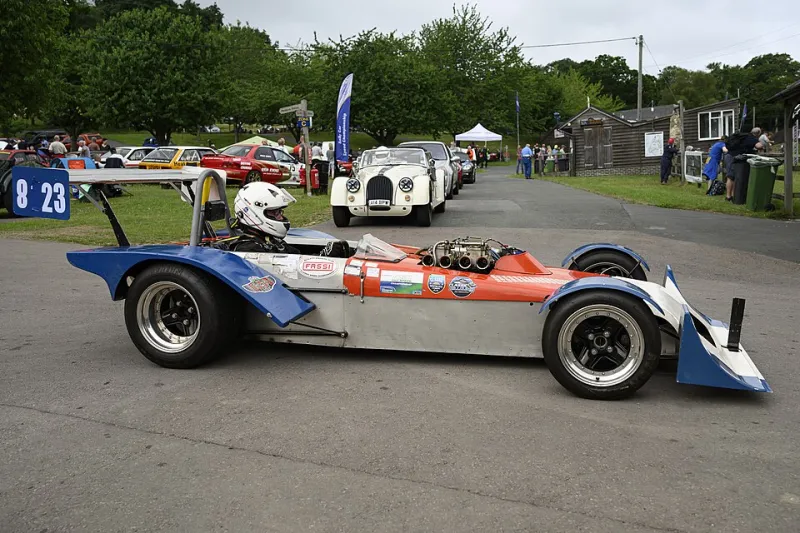
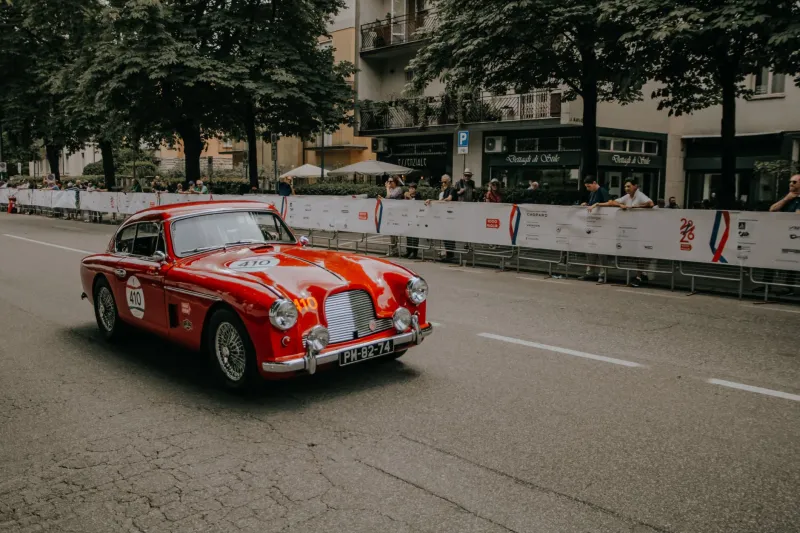
The Bo’ness Revival is not a circuit race, and that is exactly why it works as a spectator event. Cars go up one at a time, the noise arrives before the shape does, and the whole thing unfolds at a human pace. You can hear a gearbox complain, see a driver correct a slide and watch a crew push a car back into the paddock. It is heritage motorsport with the covers off.
Pick your patch before the first run
Arrive earlier than you think you need to. Not because the gates will be chaos, but because the best viewing spots are patches of bank rather than numbered seats. Once the first cars are away, people settle in and the good angles fill up.
The lower section near the start is the place for launch and noise. You get the bark of an engine under load, the scramble for grip and the first proper look at how each car behaves. It is also handy if you want to dip in and out of the paddock between runs.
Move a bit further up and you get the cornering and commitment. This is where hillclimb spectating earns its keep: you see cars leaning, drivers working, and the hill refusing to make anything easy. The upper slopes give you the finish and the aftermath — the slowing-down, the hand signals, the occasional relieved helmet wobble.
Wherever you choose, check your footing. Kinneil Estate is a proper parkland hill, not a landscaped viewing terrace. Grass gets slippery, slopes are slopes, and a folding stool is only useful if you can set it up without blocking someone else’s view.
Pack for a Scottish hill, not a beach
Layers are the obvious answer, but be specific about it. A waterproof jacket, sturdy footwear and a spare pair of socks will do more for your day than a fancy camera. The weather can change while one car is on the hill, and the ground can hold water long after the shower has passed.
Bring a flask, some food and a bin bag for your rubbish. Check the event programme or signage for what is allowed on site, and leave the drone at home — hillclimbs are close-up, noisy and busy, and nobody needs a buzzing distraction above the start line.
If you are bringing children, ear defenders are worth considering. The appeal of a screaming engine is immediate; the volume can be less so. A small rug or blanket is useful for sitting on damp grass, and cash is handy for programmes, food vans and the occasional club stall, even if most places now take cards.
How the day tends to run
Hillclimb days have their own rhythm. Practice and timed runs tend to come in blocks, with pauses for recovery, course checks and the inevitable bit of housekeeping. Commentary will keep you posted, but do not treat every gap as a chance to wander across the hill.
Use the lulls properly. That is the time for the paddock, the food queue and a closer look at the cars. When engines fire again, get back to your spot and stay behind the tape. A hillclimb rewards attention: the quickest car may not be the loudest, and the neatest run may not look dramatic from the bank.
It also helps to remember that you are not watching a race for position. You are watching a driver against the hill, the clock and their own nerve. That changes how you watch. A clean, tidy ascent can be just as impressive as a ragged one, and a small hatchback can be every bit as entertaining as something expensive and exotic.
Paddock access: look, ask, don’t lean
The paddock is one of the great joys of Bo’ness. You can get closer to the machinery than at almost any circuit, and the atmosphere is refreshingly unstuffy. But it is still a working area. Cars are hot, tools are sharp, and crews are often up against a deadline.
Stay behind the ropes unless invited through. Ask before taking close-up photographs or leaning over a car. Do not touch bodywork, sit in a car or pick up a spanner to see how it feels. If someone is under a bonnet or checking a tyre, leave them to it and come back later.
Keep children close and dogs on leads. Ask before photographing people, especially children, and do not block the way when a car is being pushed or towed. A simple excuse me goes a long way, and most crews are happy to chat once the immediate job is done.
Marshal posts are not viewing platforms
Marshals are volunteers, and their posts are there for a reason. Give them room. Never stand in front of a flag, cross a tape or retrieve a dropped item while the hill is live. If you see a red flag, stop where you are and follow instructions. If you are unsure, ask a marshal rather than guessing.
This is the unwritten etiquette that keeps a close-up event enjoyable for everyone. Take your litter home or put it in the bin. Close gates. Do not crowd the commentary point. Respect the private parts of the estate and the people who live and work around it.
The hill is not a theme park. It is a living bit of Scottish motorsport heritage, and spectators are part of the atmosphere — as long as they know when to stand back.
The appeal of the bank
What makes Bo’ness special is that you do not need to be a expert to enjoy it. You can turn up with a mate, a flask and no great knowledge of camshafts, and still have a brilliant day. The cars are interesting, the hill is characterful and the paddock is full of people who actually use their classics.
So pack sensibly, choose your patch, listen to the marshals and leave room for the people who make the event happen. The grandstand is the bank. The show is the hill. And the best seat is the one you are standing on.