Through a Long Lens: Shooting the Bo’ness Brae Without Getting in the Way
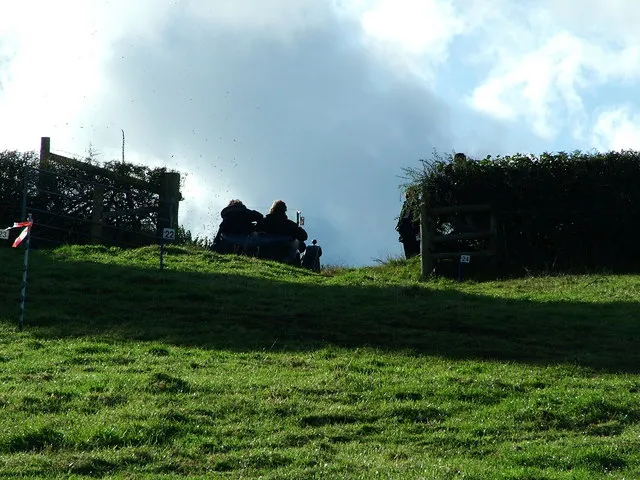
Photo: Peter Evans, CC BY-SA 2.0, via Wikimedia Commons
The Bo’ness hillclimb is a gift for a camera, but it is not a studio. Cars arrive quickly, light changes without warning, and the best angles are often shared with marshals, spectators and someone’s very focused dog. The trick is to read the brae before you start firing away, then work with the hill rather than around it.
Read the Hill Before You Unpack
A lot of photography advice begins with settings. At Bo’ness, it should begin with a walk. Arrive early, leave the long lens in the bag for twenty minutes and trace the course from the spectator areas. Notice where the track rises, where it narrows, where cars load up under braking and where the background opens out. You are looking for three things: a clean sightline, a safe standing place and a bit of character behind the car.
That last point matters. A sharp car against an empty sky is a record shot; a sharp car with the paddock, a marshal’s post or a slab of Scottish greenery behind it tells you where you were. The hill has plenty of visual texture if you give yourself time to find it.
Three Vantage Points That Earn Their Keep
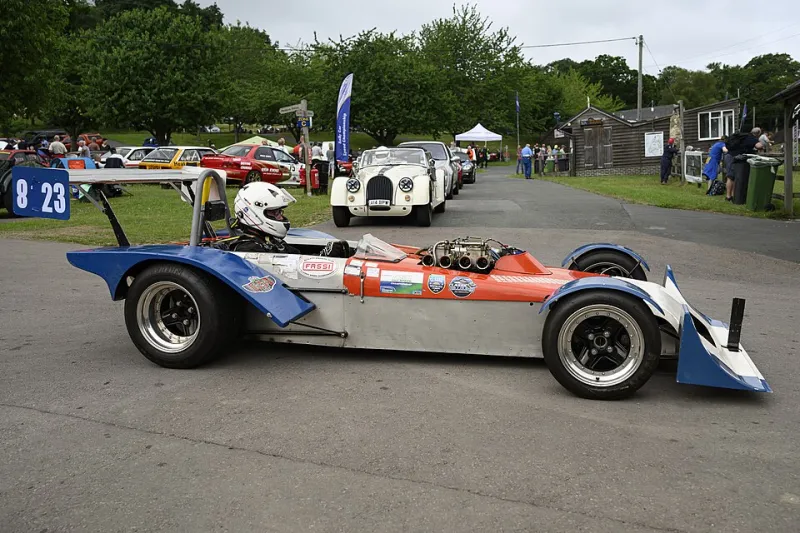
The start line is the obvious first stop, and for good reason. You get the car at rest, the driver’s hands, the scrutinising glance, the exhaust note before it all goes loud. Use a shorter lens here and resist the urge to stand in the middle of the lane. A slightly angled position from the spectator side gives you the car’s front quarter and a sense of anticipation without blocking anyone.
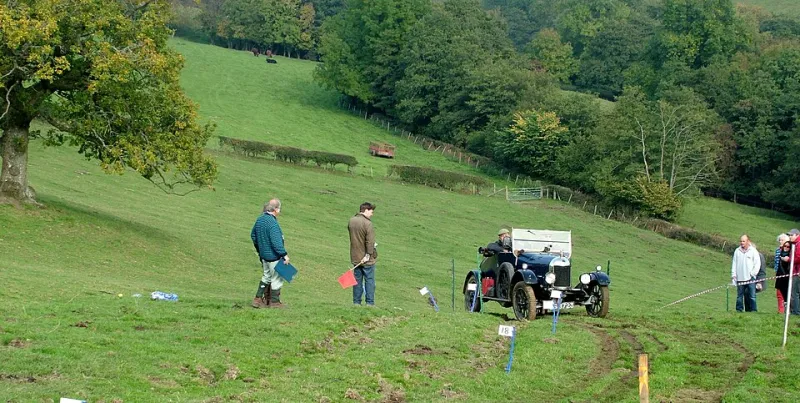
Mid-course is where the hill starts to bite. This is the place for a longer lens and a bit of patience. Find a spot where the track curves or where the surface rises, and wait for the car to commit. You will not get every frame right, but the ones that work have a sense of effort that a flat piece of tarmac never gives you.
The finish area is the storytelling end of the day. Cars are slowing, drivers are breathing out and the paddock is already thinking about the next run. A fast shutter here catches the last push; a slower one can blur the background into something painterly. Either way, stay behind the barriers and keep an eye on the marshal nearest you. If they shift their feet, you should probably shift yours.
Paddock Portraits Without the Hover
The paddock is not a petting zoo for photographers. It is a working space full of hot metal, tools and people with a job to do. That said, it is also where the best portraits happen: a driver pulling on a glove, a mechanic checking a torque wrench, a owner pretending not to watch the timing screen.
The etiquette is simple enough. Ask before you photograph a face close-up. Do not stand in the doorway of a awning. Do not move a cable, a helmet or a clipboard to improve your composition. If someone is clearly mid-task, wait or come back later. A quick ‘Mind if I grab a shot?’ goes a long way, and if the answer is no, say thanks and move on.
As for kit, a 50mm or a short zoom is often enough. The paddock rewards close observation more than reach. Look for hands, tools, stickers and the little rituals before a run. Those frames often say more about Bo’ness than another side-on blur of a car.
Shutter Speeds for the Steep Bits
There is no single magic number, but there are useful starting points. For a car coming towards you at full commitment, 1/500sec or faster will freeze the body and keep the driver’s helmet sharp. For a side-on pan, drop to 1/125sec or 1/250sec and follow through. The background will streak, the wheels will blur and the car will look like it is actually moving rather than parked on a slope.
If the light is dull — and this is Scotland, so plan for it — push the ISO rather than sacrificing shutter speed. A slightly grainy sharp image beats a clean blur every time. Shoot in bursts, but do not machine-gun the whole run; you will spend your evening deleting and your morning regretting it.
Weather, Light and the Long Wait
Bo’ness can serve up four seasons between practice and the final run. Overcast light is actually kind to cars: no harsh shadows across the bonnet, no blown highlights on chrome. Rain adds atmosphere but also risk, so keep a cloth handy and do not change lenses in the open. A simple rain cover is worth more than a fancy strap.
When the sun does appear, watch for where it falls. A car emerging from shade into light can be spectacular, but your meter may panic. Meter for the bright bodywork and let the shadows go dark. The hill has enough contrast without you adding more.
Working Around Marshals and Spectators
Marshals are not obstacles. They are the reason you can stand there at all. If you are unsure where you may stand, ask. If a marshal asks you to move, move first and ask questions later. Never cross a tape because the shot looks better from the other side. Never stand on a bank that looks like it might slide. And never, ever block a spectator’s view for a photograph they did not ask for.
Spectators, meanwhile, are part of the scene. A child on shoulders, a folded programme, a flask of tea on a wall — these are the details that place your photographs at a real event. Photograph them respectfully, and avoid making anyone feel like a prop.
The Kit That Actually Gets Used
A body with good autofocus, a standard zoom, a longer lens for the mid-course and a spare battery will cover most of the day. Bring more if you like, but remember that you are carrying it up a hill. A monopod can help with long lenses, though some photographers prefer the freedom of hand-holding. Lens hoods are useful; lens caps get lost.
Most importantly, bring a plan to back up your cards and a willingness to miss a shot. The hill will give you another run. It will not give you another chance to be a nuisance.
Etiquette Is Part of the Craft
The best Bo’ness photographs are not just technically good. They show that the photographer understood the place: the steepness, the patience, the shared space. Get that right and you will come home with frames that feel like the hill — quick, gritty and worth the wait.