When the Hammer Meets the Hill: Pricing a Bo’ness Competition History
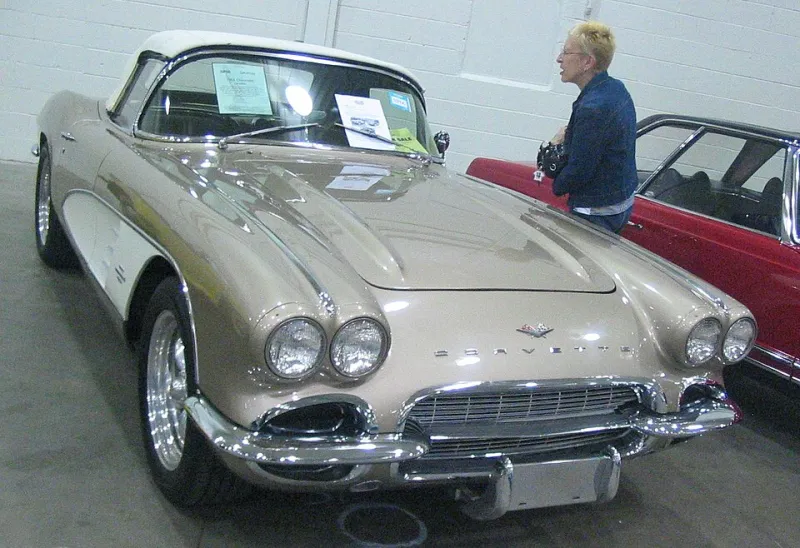
Photo: Bull-Doser at English Wikipedia, Public domain, via Wikimedia Commons
Every auction catalogue has a paragraph it saves for the romance. The car is described, the spec is listed, and then comes the line about competition history. Sometimes it is a period photograph at a Scottish hillclimb. Sometimes it is a class win at Bo’ness. Sometimes it is just the word ‘ campaigned ’ followed by a hopeful comma. The question for any buyer is simple: does that paragraph change the price, or is it just decoration?
The Catalogue Paragraph Versus the File on the Table
A Bo’ness class win is a genuine thing. It means a car was entered, scrutinised, driven up a narrow closed-road hill, and came out quicker than the others in its class. That is worth something. But at auction, sentiment and value are not the same currency. The market pays for condition, originality, specification, rarity and proof of maintenance. Provenance is a tiebreaker. It is rarely the main event.
That is not a slight on hillclimb history. It is just how buyers behave when there are only two or three bidders left in the room. A documented competition file can help a good car stand out. It cannot turn a tired car into a good one.
What Actually Moves the Number
Start with the obvious: a classic is worth what a similar classic is worth. A well-restored MGB GT with a sensible history is priced against other well-restored MGB GTs. A rare Scottish-built sports car is priced against the handful of others that come to market. Hillclimb provenance sits on top of that, and the premium is usually modest — a few percent, perhaps, when the paperwork is strong and the buyer cares about the venue.
The pool of buyers who will pay extra specifically for a Bo’ness result is narrow. It is made up of people who know the hill, follow the Revival, or have some connection to Scottish historic motorsport. That is a lovely group, but it is not the whole auction room. A car with a Goodwood or Le Mans history reaches a wider audience and therefore commands a wider premium. A club hillclimb result is a talking point, not a blue-chip investment grade.
A Win Is Only as Good as the Paperwork Behind It
A trophy on its own proves very little. What makes a result credible is the paper trail around it: a dated entry list, a programme showing the car and driver, an official timing sheet or set of results, and photographs where the car’s number or registration is visible. A scrutineering sticker helps. A copy of the regulations for that meeting helps more.
Buyers should also ask how big the class was. A class win against one other car is still a win, but it is not the same as beating a full grid. Honest sellers say so. Less honest sellers let the buyer assume there were twenty entries when there were three. That is not fraud; it is salesmanship. But it is the sort of thing that gets found out later, and it sours the whole file.
Reading the File Like a Scrutineer
Go through a competition history the way a scrutineer would go through a car. Check continuity first. Does the registration or chassis number stay the same across the years? Do the photographs show the same car, not a similar one? Do the dates line up with the owner history?
Then cross-reference. Match programme entries to results. Match results to timing sheets. Look at the photographs for period details: number plates, race numbers, helmet styles, paddock background, the shape of the hill. If a seller claims period Bo’ness history, ask which year, which class, and who else was in it. If the answers are vague, the premium should be vague too.
Invoices matter as much as trophies. An engine build, a gearbox rebuild, a new roll cage, harnesses, extinguisher, fuel cell — these are the things that make a competition car usable. Safety equipment has dates on it. A car with out-of-date belts and extinguishers needs money spent before it can run again, and that should be reflected in the price.
Red Flags in a ‘Competition History’ File
There are patterns that should make a buyer slow down. A file full of undated photographs is one. Results printed from a website rather than an official source is another. Trophies for classes with no other entrants, presented as giant-killing, are a third. Then there are the bigger issues: a car that has been re-shelled or re-registered without disclosure, a fresh restoration with ‘period history’ but no continuity, or a set of paddock passes and stickers with no results behind them.
‘Well known in the paddock’ is another phrase to test. Ask who knows it, then ask for names. Real history has names, dates and witnesses. A story has atmosphere and little else.
Does the Bo’ness Name Carry Weight?
In Scotland, yes — among the historic hillclimb crowd, it carries real weight. The Bo’ness Revival has a genuine link to the old Kinneil hillclimbs, and a car that competed there in period is interesting. A car that has competed recently is a nice talking point. Neither turns a mid-range classic into a six-figure asset.
What it can do is help a car sell. If two similar cars are on the market and one has a clear, well-presented Bo’ness file, the buyer who knows the hill will lean towards it. That is the premium in practice: not a huge number, but a better chance of a sale and a slightly stronger hand at the negotiating table.
How to Value It Sensibly
Price the car first. Then add a small amount for provenance if it is documented and relevant to the model. Deduct for modifications if originality matters. Deduct for safety equipment that needs renewing. Do not pay extra for a story you cannot verify.
If you are selling, make the file easy to read. A one-page summary with dates, venues, classes and results, backed by copies of the supporting documents, is worth more than a shoebox of mystery. Buyers trust clarity. They also pay for it — just not as much as sellers hope.
The Bottom Line
A Bo’ness class win is worth celebrating. It is not a financial instrument. The premium is real but modest, and it belongs to cars that are already sound. Buy the metal, the paperwork and the people. If the file is thin, price it thin. If the file is thick and consistent, enjoy it — but don’t let the romance write the cheque.