Reading Between the Names: What a Bo'ness Entry List Tells You Before Practice

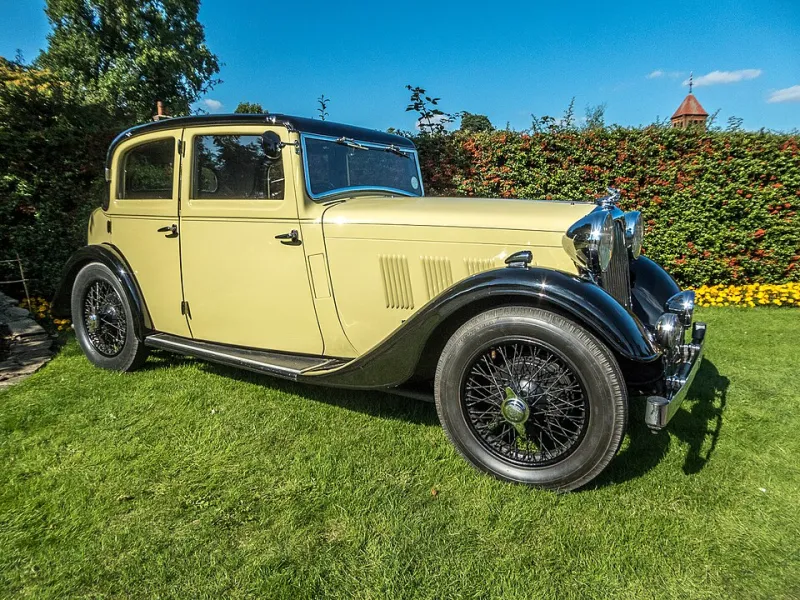
Photo: Fraganda, CC BY-SA 4.0, via Wikimedia Commons
It starts as a list, then becomes a map
At first glance, an entry list is just names and numbers. A driver, a car, a class, maybe a home town. But at Bo'ness, that simple document is closer to a map of the day ahead. It tells you where the close racing is likely to be, which paddock corners are worth a slow walk, and which cars might be worth lingering over before the first engine barks into life on the Brae.
The trick is not to read it like a results sheet. Read it like a programme for a play you have not seen yet. The cast is listed, the scenes are set, but the drama still has to happen. Whether you are planning for a future meeting or leafing through a 2026 programme on the kitchen table, the same approach works.
Class letters are the first tell
Start with the classes. They are the spine of the entry list, and they tell you more than most spectators realise. A class with eight cars and three regulars is a different prospect from a two-car class. A capacity-based class might look straightforward until you spot a well-developed car sitting beside a standard one. A vintage or historic class can be less about outright pace and more about preparation, technique and the simple joy of seeing older machinery used properly.
Look for clusters. Three similar saloons, a pair of sports cars, a lone special. Those clusters are where the stories live. A single-entry class is not a dud; it is often a car that has been dragged out of a shed after years of work, or a driver making a quiet return. At Bo'ness, the small classes can be just as compelling as the packed ones.
The order of play matters
Some entry lists are ordered by class and number, others hint at a seeded order. Either way, do not ignore the back half. The early numbers may look like the headline acts, but the later entries often tell you who has been working flat out to get there. A clubman parked near the end of the list may have spent the winter rebuilding an engine, repainting a shell or convincing a long-suffering friend to help with the gearbox.
Run order can shift with the weather, withdrawals or a mechanical issue in practice, so treat the list as a guide rather than a promise. The value is in the shape of the field. If you see a class where the cars are closely matched on paper, mark it. If you see a driver who usually runs something modern appearing in an older machine, mark that too.
Debutants and quiet swaps
One of the best things about a Bo'ness entry list is the way it reveals change without making a fuss. A new name in a familiar car. A regular driver in a different machine. A car that has not been seen for a while, now listed with a fresh owner. These are the quiet stories that make a paddock walk worthwhile.
A debutant does not need to be quick to be interesting. Watch how they prepare, where they park, who they ask for advice. A familiar driver in an unfamiliar car is always worth a look, because the first practice run often shows whether the swap is a happy one or a working progress. The entry list gives you the thread; the paddock gives you the rest.
Use the list as a paddock treasure map
Before practice, take the list for a walk. Find the cars that intrigued you on paper. Look at the tyres, the spares, the state of the paint, the way the tools are laid out. A modest entry with a tidy car and a calm owner can be a better bet than a famous machine with a stressed crew and a borrowed trailer.
This is not about judging. It is about noticing. The paddock at Bo'ness is full of small clues: a spare set of wheels, a notebook on the seat, a kettle that has clearly done service at more meetings than anyone can remember. The entry list tells you who is there. The paddock tells you how they got there.
What to watch when the first car leaves
Pick two or three things from the list and follow them through the day. A class battle. A debut. A clubman who has been quiet all winter. At the start line, watch who looks settled. At the finish, listen for the time and the reaction. Compare practice with the afternoon. The entry list gives you a reason to stay for the final runner rather than drifting away after the fastest cars have had their turn.
A list is a promise, not a result
Not every entry turns up. Weather, mechanicals and life all have a say. That is part of the charm. The programme is a starting point, not a script. At Bo'ness, the hill writes its own ending, and the best spectators arrive ready to be surprised by a name they had barely noticed on the list.
So next time you see a Bo'ness entry list, do not skim it. Read between the names. There is a whole day of stories in there, waiting for the first car to leave the line.