Ratchet Straps and Roundabouts: The Unwritten Rules of Towing to the Brae
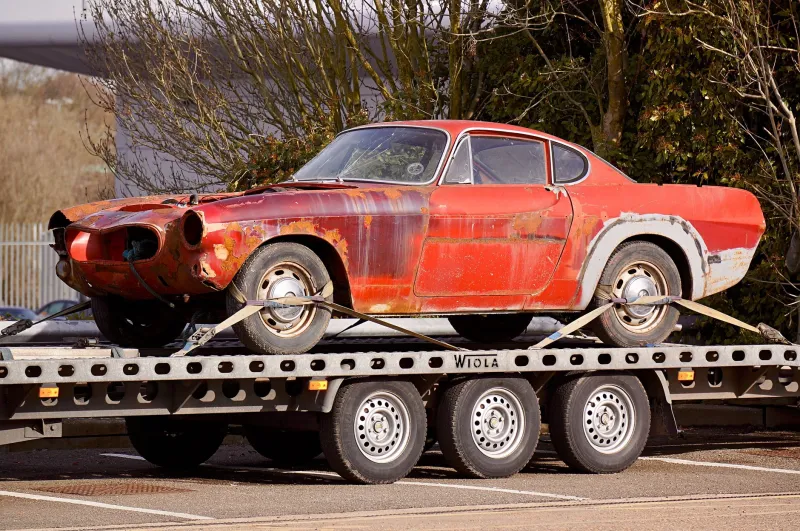
There's a particular sound to a hillclimb morning that nobody puts in the programmes: the clunk of a ratchet strap taking up its last inch of slack. It happens in driveways and lay-bys across Scotland long before the first engine fires on the brae. Towing to Bo'ness is not the glamorous bit of the sport, but it is the bit that decides whether you spend Saturday scrutineering or Saturday explaining a cracked sump to a man with a clipboard.
The Night Before Is the Real Start Line
Anyone who has done this a few times will tell you the same thing: the loading should be finished before you go to bed. Not because it saves time in the morning, but because it means you make decisions in daylight, with a cup of tea, rather than at 5:40am under a torch with the family watching from the window.
Start with the trailer itself. Tyre pressures when cold, because a trailer tyre that looks fine at noon is often quietly soft. Check the breakaway cable, the lights, the jockey wheel and the condition of the bed. Look at every strap for fraying and every ratchet for a pawl that still clicks properly. If the ramps live under the car, make sure they're actually clipped in and not going to slide out on the first roundabout.
Then load the car. A classic with a low nose and a long front overhang will want a shallow approach, so position the ramps carefully and use a spotter who is happy to shout. Once it's up, leave it in gear, apply the handbrake, and chock the wheels before you go anywhere near a strap.
Strap Placement: Less Is More, Done Properly
The temptation is to add straps until the car looks like it's in a spider's web. In practice, four good straps in the right places beat eight in the wrong ones. Aim for the unsprung bits or the manufacturer's tie-down points — the chassis legs, the axle, or proper welded eyes. Over-the-wheel soft loops are kind to paint and alloy and are now widely available. What you don't want is a strap pulling on a brake line, a fuel hose or a suspension arm that's going to move a fraction and slacken the whole thing off.
Cross the rear straps if you can. It stops the tail wandering on long motorway bends. And after the first ten miles, stop and check everything again. Not a glance — an actual pull on each strap. New straps stretch. Old ones can loosen. A service station forecourt is a far better place to find out than the outside lane of the M9.
The Weight Maths Nobody Enjoys
Trailer plating, gross train weight, nose weight — none of it is exciting, and all of it matters. The old 85% guidance is a caravan club starting point rather than a law, but it's a sensible one for a first-time tower: keep the loaded trailer well under the weight of the tow car. Nose weight should be positive, usually around five to seven per cent of the trailer's loaded mass, so the outfit sits level rather than see-sawing.
Licensing catches people out. Depending on when you passed your test, you may need B+E or the B96 code to tow a heavier combination. It's worth checking once and writing it down, because the last thing anyone wants is a polite conversation at the roadside on the way to a hillclimb. If you're unsure of your all-up weight, a local weighbridge will tell you for a few pounds, and it removes all the guesswork.
Ramps, Angles and the Art of Not Scraping
A classic with a fibreglass nose and a sump that sits low is a nervous thing to load. Long ramps help. So does a slight incline, if you have one, because it reduces the angle between ramp and trailer bed. Take it slowly, keep a spotter at the front wing, and don't be too proud to use a winch if the car doesn't want to drive up under its own steam. Riding the clutch up a pair of short ramps is how you end up with a hot smell and a bad mood.
Once aboard, check that the car sits square. A few centimetres of offset at the front becomes very obvious in the mirror at 60mph.
Paddock Etiquette on Arrival
Bo'ness is a friendly paddock, but it's a working one. Follow the marshal's direction, park where you're told, and unload promptly rather than treating the trailer as a small conservatory. Once the car is off, move the trailer to wherever the site team wants it. Nobody minds a slightly nervous newcomer; everyone minds a trailer parked across the access road.
Noise is part of the day, but idling a tow car for half an hour while you find your gloves isn't. Get the kettle on, get the car through scrutineering, and save the chat for after the first run.
The Drive Home
The return leg is where tiredness bites. Check the straps again before you leave, take the motorway services stop even if you don't need fuel, and remember that a trailer behaves differently when it's empty on the way back — lighter, bouncier, and less planted over the joins in the tarmac.
It isn't the part of hillclimbing that gets photographed. But the quiet art of trailering to Bo'ness is what puts the car on the line in the first place — and a calm arrival is its own small reward.