The Long Shut-Down: Winter Jobs That Decide Your Bo'ness Spring

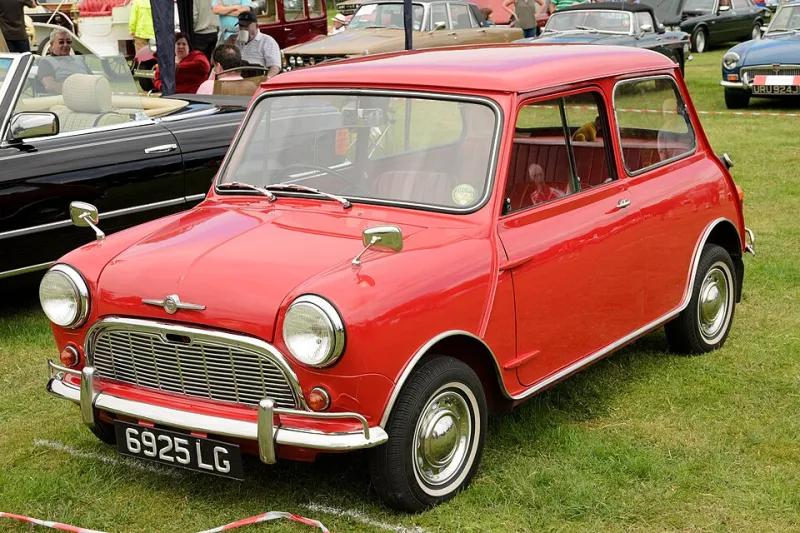
Photo: Dudva, CC0, via Wikimedia Commons
Late November at Bo'ness is a peculiar kind of quiet. The brae is just a brae again — wet leaves, a bit of moss on the lower wall, dog walkers where the paddock sat in August. And somewhere under a cover, in a garage in Falkirk or a shed outside Linlithgow, there's a hillclimb car waiting out the winter with a job list nobody has written down yet.
The 2027 regulations aren't published, the entry won't open until the new year, and doing nothing is very easy. But a Bo'ness car asks for more than the average laid-up classic. It has to fire from cold on a damp morning, sit and idle while you queue, and pull cleanly from walking pace up a slope that never gets any shallower. All three of those are settled now, in the cold, rather than in April.
Fuel doesn't sit quietly
E10 petrol is the place to start. Modern pump fuel goes off in weeks rather than months, and the gum it leaves behind loves small passages — idle jets, accelerator pump diaphragms, the fine drillings in an old carburettor. A car that ran perfectly in September can be a pig to start in March on the same tank.
Options, roughly in order of usefulness: run the tank down before lay-up rather than storing it half full, add a stabiliser if you're leaving it, and make a note of the date on the fuel can you're using for the first start. Anything with a mechanical pump and a carburettor will also thank you for a new inline filter in February — cheap, and it catches what the winter left behind.
Battery care is boring and worth it
A lead-acid battery left to self-discharge in an unheated shed will sulphate, and no amount of jump-starting brings that back. Either take it indoors and top it up monthly on a smart conditioner, or leave it in the car on a conditioner that's designed for permanent connection. A cheap trickle charger and a cold shed is a decent way to cook a battery slowly.
While the terminals are off, look at the earth strap. A lazy earth on a glassfibre-bodied car causes more mysterious starting faults than anything else in the paddock.
Brakes, clutch and the things that seize
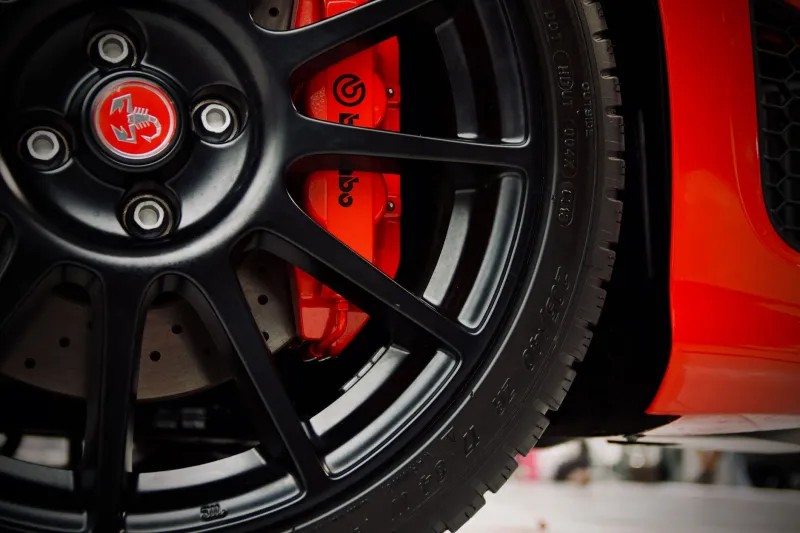
Leave the handbrake off. Chocks under the wheels, in gear, and let the rear shoes rest against fresh air rather than a drum for four months. If you can, roll the car a foot every few weeks — it keeps the discs from pitting in one place and reminds the calipers they have a job.
Brake fluid absorbs moisture and that moisture finds the lowest, hottest part of the system. A fluid change in the cold is a far nicer experience than a spongy pedal at scrutineering. Same logic for coolant: get the antifreeze strength right before the first hard frost rather than after.
The clutch is the one people forget. Don't store the car with the pedal depressed or a block of wood holding anything down for months. A friction plate that has bonded itself to the flywheel over winter shows up as a car that won't select first at the start line — usually discovered with thirty seconds to go.
Cold start is the real pre-season test
This is where Bo'ness differs from a show car. A hillclimb car needs a decent cold-start routine: choke or fast idle that works, ignition timing that isn't a compromise, plugs that aren't fouled from a summer of short runs, and a starter that spins quickly on a cold morning. If the engine only clears its throat above 2,500rpm, that's a winter problem to solve, not a start-line problem to manage.
Worth checking while it's cold: the fuel pump delivery, the condition of the coil and leads, and whether the cooling fan actually cuts in. Sitting still in a queue on a warm June day is harder on a car than most people expect.
Tyres, dates and the small perished things
Over-inflate slightly to avoid flat spots, keep them out of sunlight, and if the car is going to sit for months, get the weight off them. Then check the dates on everything that has one: tyres, harnesses, the fire extinguisher, and the helmet if you're due an upgrade. These are the items that quietly turn into a rush in March.
Paperwork while the kettle's on
Entries tend to open early in the new year and popular classes fill quickly. Renew the club membership, check the competition licence, and keep the car's folder together — photographs, receipts, the old MOTs if it's road legal. Doing that on a dark Tuesday in January is much better than doing it in a panic in the week before the first meeting.
Ten minutes a month
Start it, let it reach temperature, move it a few feet, work the brakes, work the clutch, and have a look underneath with a torch. It's the cheapest maintenance there is, and it catches mice in the airbox, weeping hoses and the slow drip from a core plug before any of them become a March phone call.
Spring arrives quickly on this hill. The first practice session should be about learning the grip, not discovering that the clutch has welded itself shut.